

BUILDING A CLIMATE READY FUTURE THROUGH EDUCATION
How Do You Attain the Seal of Climate Literacy?

The Seal of Climate Literacy is conferred to students who demonstrate an understanding of climate literacy and a commitment to addressing its impacts in their communities. To attain this diploma endorsement, students must complete three elements including a combination of academic courses and an experiential learning project.
-
Students must fulfill the essential academic criteria set by their school district or local education provider (LEP). These requirements typically include completing a specified number of credits across various core subjects.
-
(1) any high school science course such as earth science, biology, or environmental studies, and
(2) a second course that includes climate literacy standards. This course could be humanities, concurrent enrollment, CTE, or another science class.
These courses do not have to be in addition to high school requirements.
-
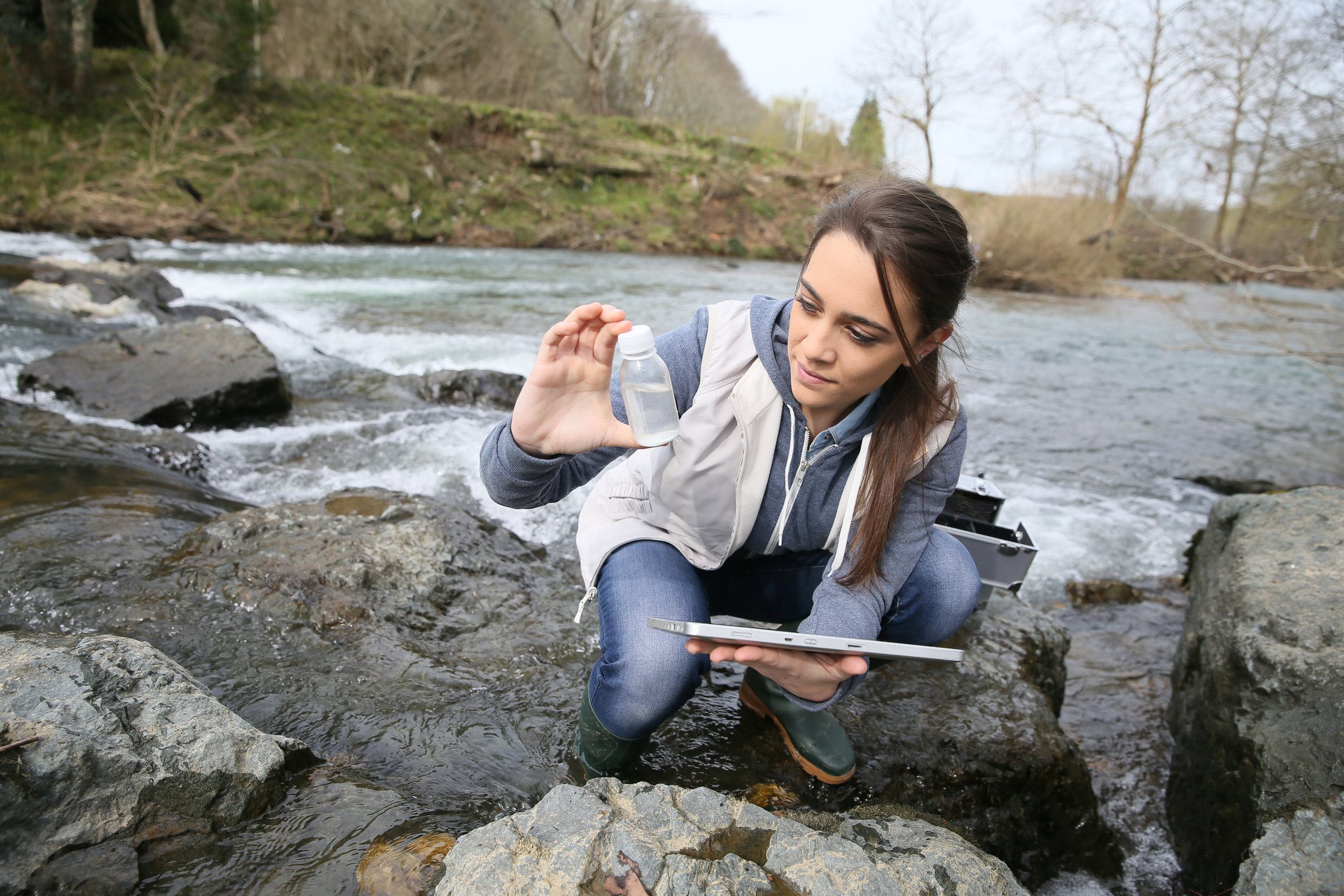
Students must also complete a project that demonstrates their understanding of climate change. This project can range from an agricultural initiative to advocacy for public policy, and anything in between.
LEPs can work with students to determine what will qualify.
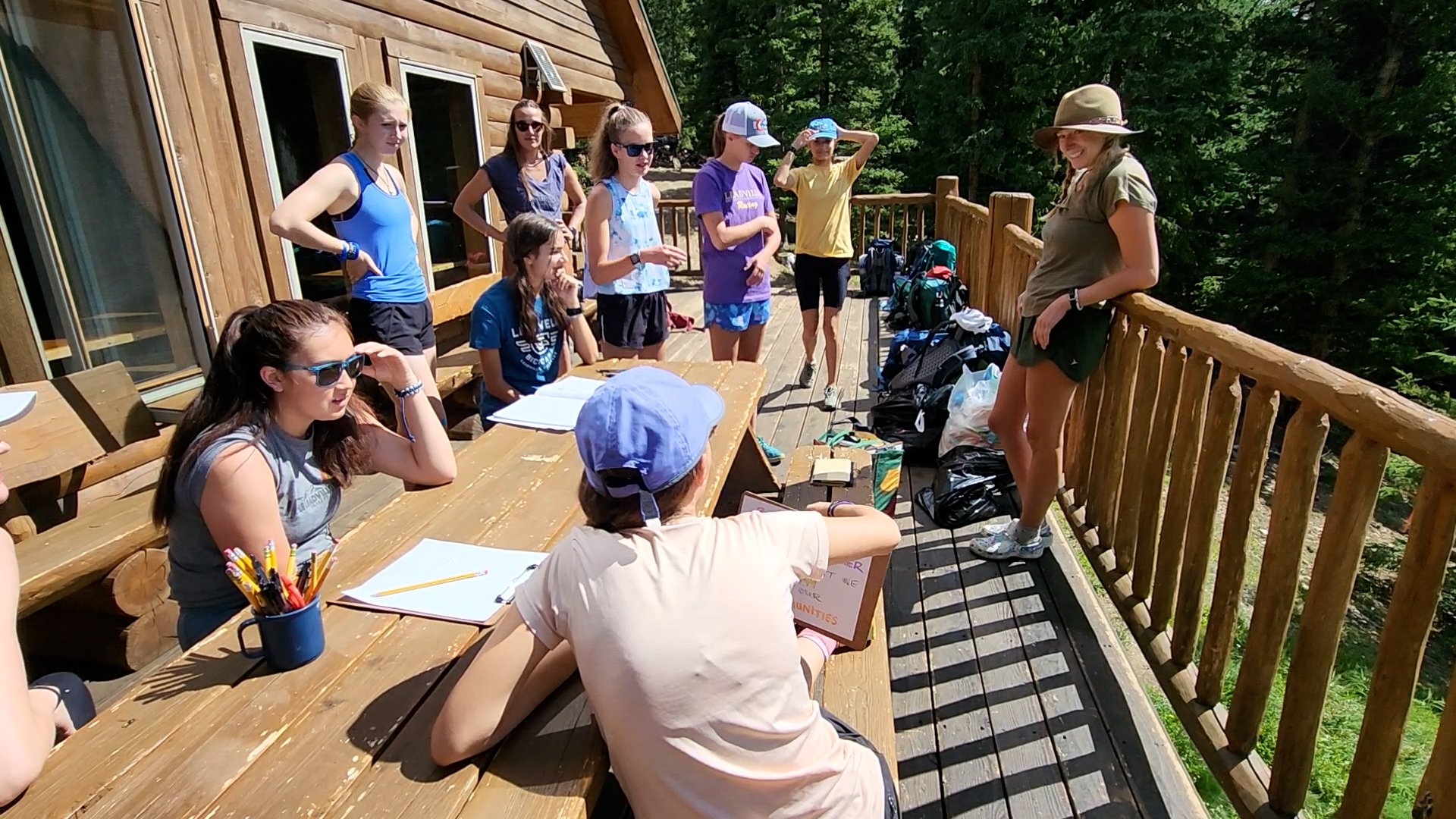
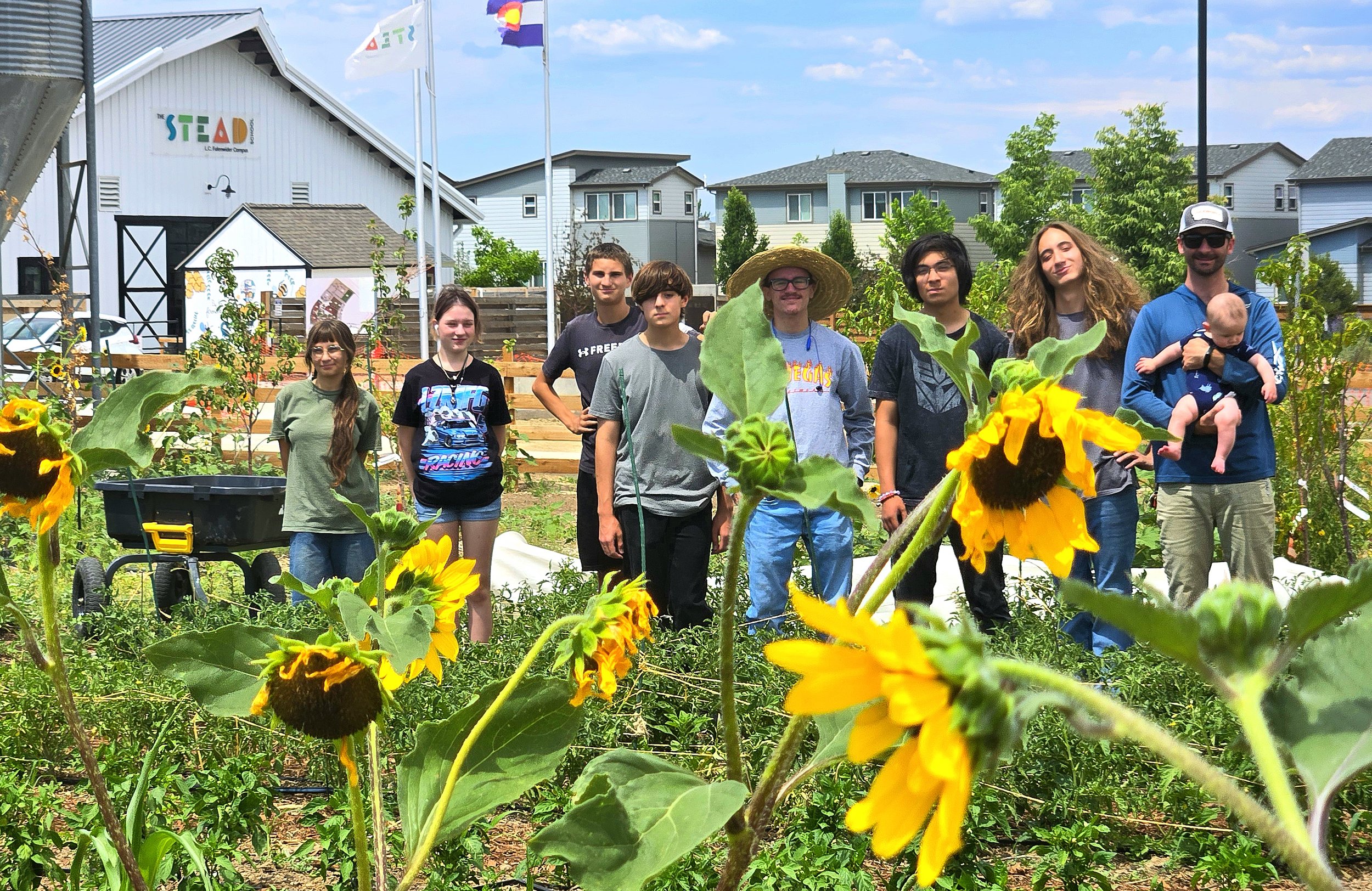
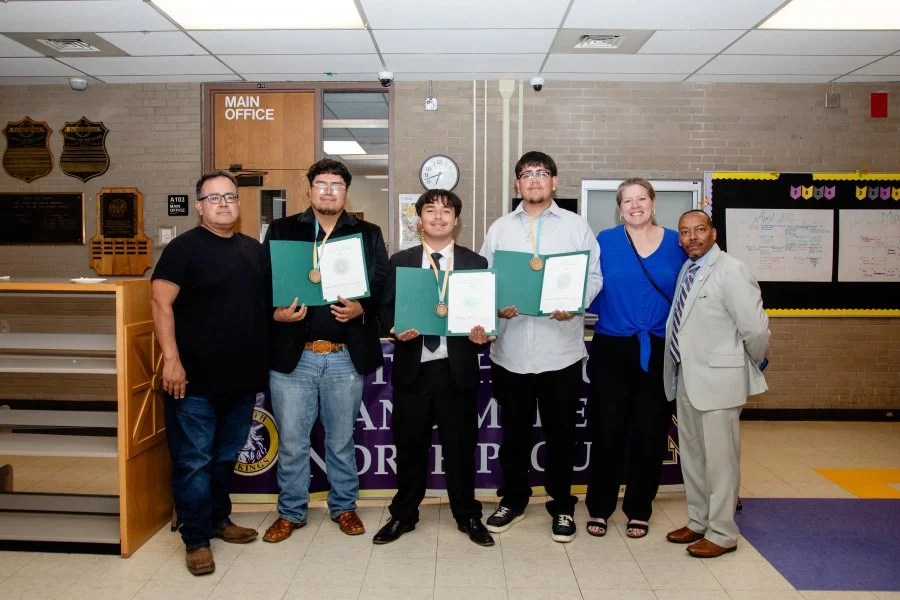
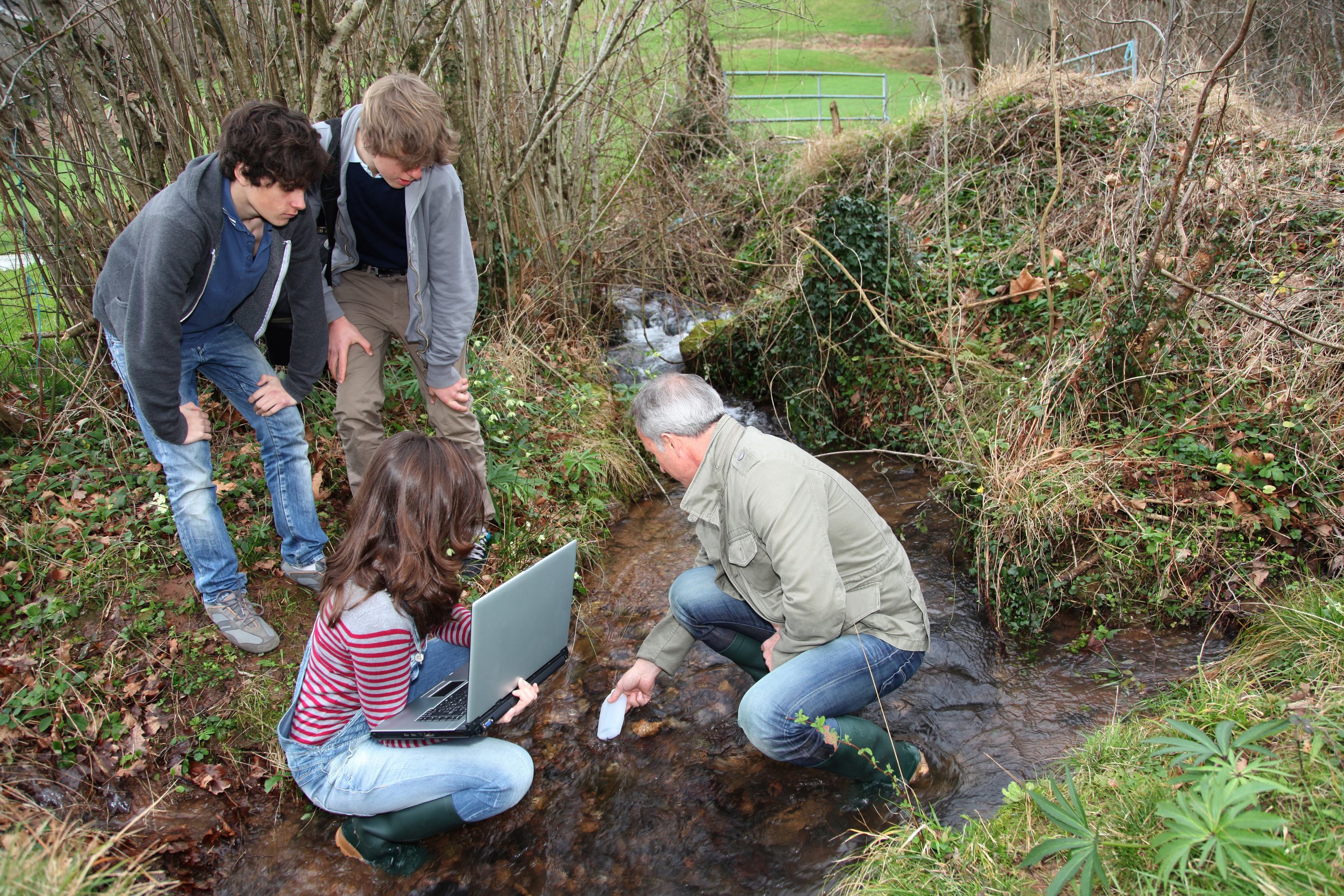
Hands-on Learning
Experiential learning projects can vary widely and eligibility is left up to each LEP. Below are some examples of what that may look like for students.
An apprenticeship installing solar panels.
A soil management experiment on a student’s family farm.
An internship measuring snowpack levels.
Student leadership starting a school club or initiative around reducing school energy consumption.
A short story, digital film or social campaign around climate literacy principles.
Who Confers the Seal?
This will vary based on the unique policy in each state.
Typically, local education providers (LEPs), which could include a school district, board of cooperative services (BOCES), or a charter school, can voluntarily choose to confer the Seal. This gives them the ultimate flexibility and control over design and implementation.
The LEP may collaborate with local businesses, nonprofit organizations, industry leaders, and institutions of higher education to support students' experiential learning.
State Departments of Education, like in Colorado, support with the reporting component of the policy.
-
The Seal was signed into law in Colorado in 2024, following advocacy by students, educators, district leaders, and community partners. It provides a framework for recognizing student achievement in climate literacy.
-
No. States could also establish it through a Department of Education or State Board of Education.
-
Key elements include:
Local Control: Voluntary adoption by Local Education Providers (LEPs).
Hands-On Learning: Students complete projects in their own communities.
Equity & Accessibility: The Seal minimizes barriers so all students can participate.
LEP Flexibility: Local standards and project requirements ensure relevance to each community.
-
No. The Seal fits into your existing courses – science, CTE, social studies, and more – without creating new graduation requirements or adoption of new curriculum.
-
Schools map existing courses to climate literacy principles, guide students through hands-on projects, and award the Seal at graduation. Support is available for every step, making implementation low-lift and achievable.
-
This really varies - superintendents, principals, teachers, district leaders, and students all contribute. It usually starts with one champion. Many districts report that the Seal formalizes work already happening in classrooms and communities.
-
No. Students must complete multiple components: courses covering climate literacy, a hands-on project in their community, and share their results with an authentic audience.
-
No. In its first year, the Seal was conferred in both urban and rural districts, across diverse communities. Strong implementation support ensures access for students historically left out of climate education.
-
The model is designed to be low-cost or budget-neutral, using existing structures to confer the Seal.
-
The Seal signals interdisciplinary climate competency. Colleges and employers in Colorado are increasingly recognizing it for admissions and career readiness, similar to the Seal of Biliteracy.
Frequently Asked Questions



The Seal was developed as a way to recognize students who gain an understanding of how climate change impacts their communities and beyond. It helps build a sense of agency, connecting students’ passions and interests about climate change with learning opportunities that can help prepare them for college and careers.
The Seal provides a framework for doing just that.
Let’s talk about how we can make the Seal possible for your students.
Students as Leaders
Resources
Sign up below for access to our resource library, newsletter, and stay informed about upcoming events.
Need assistance getting started? Dive into a variety of resources tailored for educators, and students alike.